

How to Tell If Your Mattress Has Fiberglass (The Flashlight Test)
Daniel Zvi
 289
289
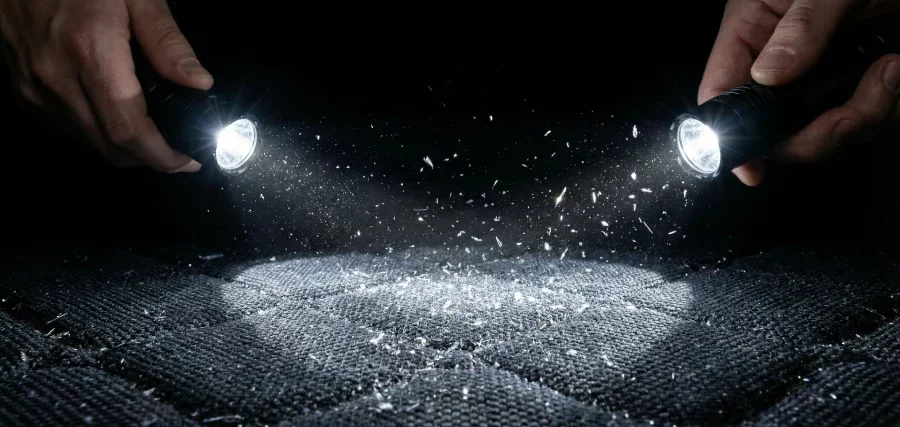
Fiberglass (glass-reinforced plastic) is a common material used in budget memory foam mattresses to meet federal fire safety standards. While it is technically safe when fully sealed inside the mattress, it becomes a health hazard if the cover is removed or worn down, releasing millions of microscopic glass shards into your bedroom.
If you are experiencing unexplained itching, rashes, or seeing "shiny dust" in the air, your mattress may be leaking fiberglass. This guide will walk you through the 3-Step Safety Audit to confirm if your bed is affected and what to do next.
Why Is There Fiberglass in My Mattress?
It comes down to cost. In the United States, all mattresses must pass the 16 CFR Part 1633 flammability standard (the "open flame" test).
To pass this test, manufacturers must wrap the flammable foam in a fire barrier.
- Premium Brands: Use natural wool or plant-based thistle (which naturally extinguishes fire).
- Budget Brands: Use a "glass fiber sock." When exposed to fire, the glass melts and forms a hard shell, starving the fire of oxygen.
While effective against fire, this material is brittle. If you unzip the outer cover—even just to wash it—the barrier can shatter, covering your room in invisible glass needles.
 Our top picks for March 2026
 9.9
9.9


 Hybrid


How to Check Your Mattress (The 3-Step Audit)
Do not wait for symptoms to appear. Use this checklist to determine if your bed contains fiberglass.
1. The Label Inspection
Check the manufacturing tag (usually found at the head or foot of the bed). Manufacturers often use deceptive wording to avoid the scary term "fiberglass." Look for these ingredients:
- "Glass Fiber"
- "Glass Wool"
- "Silica" (or "Silica Sand")
- "Glass-Reinforced Polymer"
If you see a percentage listed for any of these (e.g., 60% Polyester / 40% Silica), your mattress contains fiberglass.
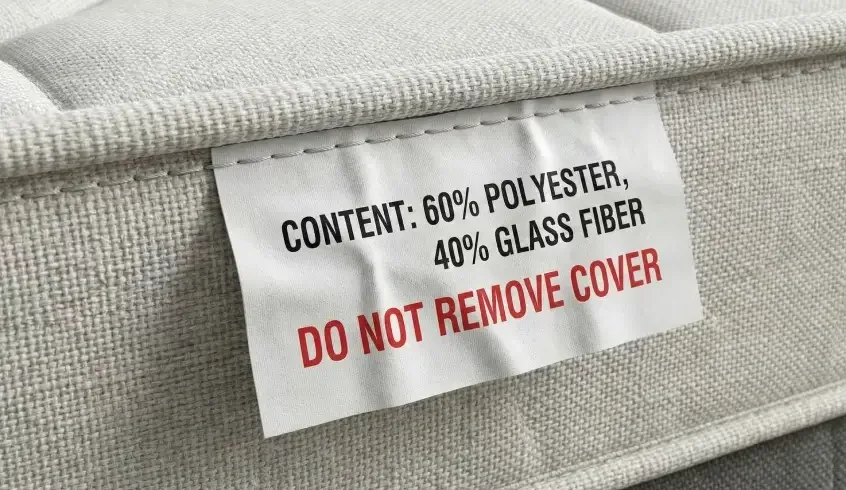
2. The "Do Not Remove Cover" Warning
This is the biggest red flag. If your mattress has a zipper but the tag explicitly says: "Do Not Remove Cover" or "Spot Clean Only," it is almost certainly because there is a fiberglass sock directly underneath. Removing the cover effectively releases the containment system.
3. The "Flashlight Test" (Dark Room Method)
This is the most reliable way to spot a leak.
- Darken the Room: Turn off all lights and close the blinds. It must be pitch black.
- Use a Beam: Shine a bright flashlight or your phone light directly across the surface of the mattress (parallel to the fabric).
- Look for Sparkles: Fiberglass shards are reflective. If you see thousands of tiny, twinkling sparkles that look like glitter floating in the beam or resting on the fabric, do not touch it. You have a fiberglass leak.
What Are the Symptoms of Fiberglass Exposure?
If your mattress is leaking, your body will likely react before you see the dust. Common symptoms include:
- Fiberglass Dermatitis: A red, prickly rash that feels like tiny cuts rather than a mosquito bite.
- Respiratory Irritation: Dry coughing, wheezing, or a sore throat that only happens when you are in the bedroom.
- Eye Irritation: Redness or the sensation of "sand" in your eyes.
Important: If you have these symptoms, seal the mattress in plastic immediately and consult a doctor.
The Safety Toolkit: How to Handle a Leak
If the Flashlight Test comes back positive, you need to contain the situation without spreading the shards.
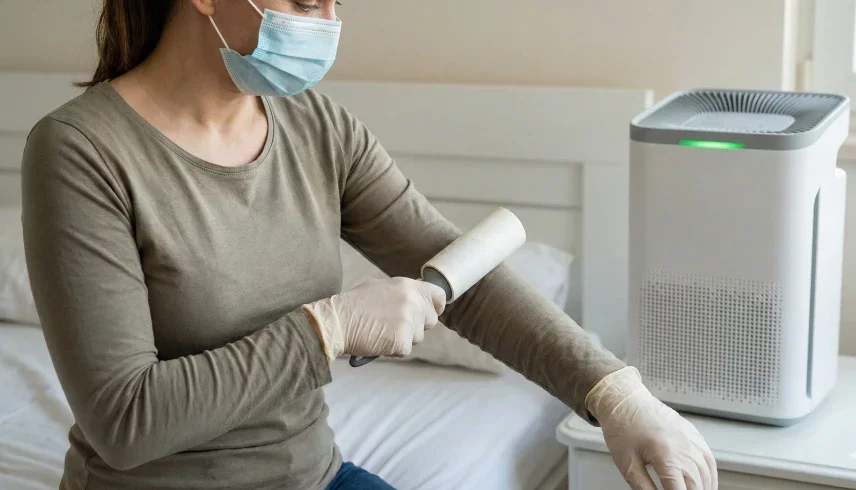
- Lint Roller (Sticky Tape): The only effective way to pull shards off clothes or skin. Do not wipe; blotting with tape is safer.
- HEPA Air Purifier: Standard vacuums can blow the shards back into the air. A HEPA filter can trap airborne glass dust.
- Mattress Encasement: A heavy-duty, zipper-sealed plastic protector can temporarily trap the fiberglass inside until you can dispose of the mattress.
Mistakes to Avoid (Critical Warnings)
- Vacuuming the Mattress This is the worst mistake you can make. Unless you have a specialized HEPA-sealed vacuum, the exhaust port of your vacuum will shoot the microscopic glass shards across the room, embedding them into your curtains, carpet, and HVAC vents.
- Washing the Cover If you unzip the cover and put it in the washing machine, the fiberglass will coat the inside of your washer. The next time you wash your clothes, your underwear and t-shirts will be covered in glass needles.
Can I Fix a Fiberglass Mattress?
No. Once the inner barrier is breached, the mattress is hazardous waste. You cannot "clean" fiberglass out of foam. The only solution is to dispose of the mattress and replace it with a Fiberglass-Free alternative.
The Permanent Solution: Go Organic
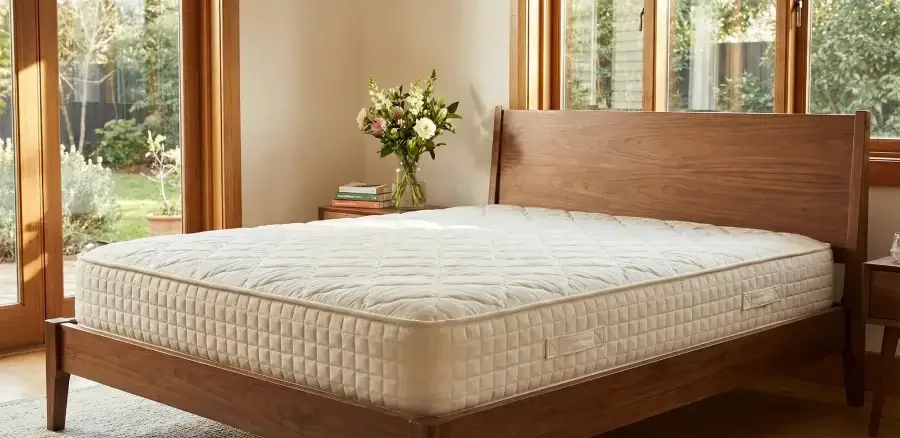
To ensure you never deal with this risk again, you should look for mattresses that use Organic Wool as a fire barrier. Wool is naturally flame-resistant and non-toxic.
- Top Rated Safety: Check out our list of Top Rated Organic Mattresses to find brands that are certified fiberglass-free.
- The Latex Upgrade: Mattresses made from Organic Latex are naturally durable and almost never contain fiberglass because latex itself is difficult to ignite compared to memory foam.
- The Luxury Upgrade: For a guaranteed fiberglass-free option that is delivered "factory fresh" and never compressed, we recommend the Saatva Classic or the Saatva Latex Hybrid. You can read more about their safety standards in our full Saatva Mattress Review.
- Ready to replace your mattress, but don't know where to start? Read our guide on How to Find Your Perfect Mattress in 3 Easy Steps.
Our top picks for March 2026
FAQs: Safety & Brands
Q: Do all memory foam mattresses have fiberglass? A: No, but it is extremely common in budget mattresses (under $600). Higher-end memory foam brands use proprietary "fire socks" made from rayon or silica-free fabrics, but you must verify this with the manufacturer.
Q: Is silica the same as fiberglass? A: Technically, no, but in the mattress industry, "hydrated silica" is often used to describe the same type of fire barrier. If you want to be 100% safe, avoid silica-based barriers and stick to wool.
Q: How do I get fiberglass off my skin? A: Do not rub or scratch. Wash the area gently with running water to rinse the shards away, or use a piece of duct tape to lift them off.
Liked this article?
Daniel Zvi
Smart Recommendations


Thank you!