

How Long Does It Take to Break in a New Mattress? (Don’t Return It Yet)
Daniel Zvi
 290
290
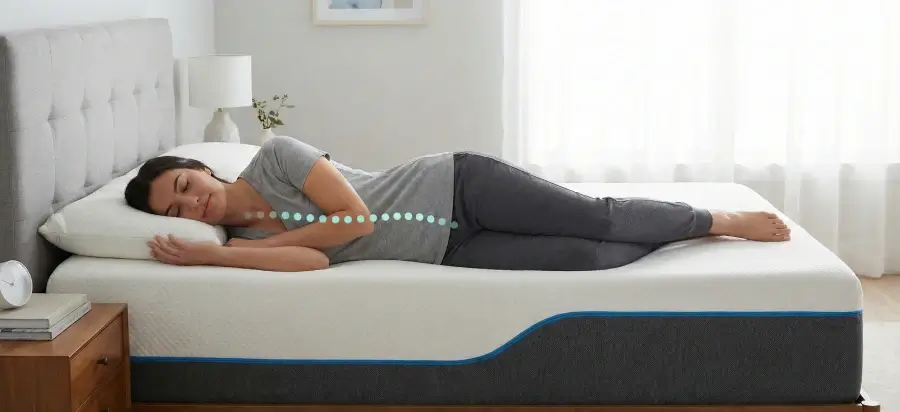
The "Break-In Period" is the time required for the materials in a brand-new mattress to soften and for your body to adjust to the new sleeping surface. For most high-quality memory foam and hybrid mattresses, this process takes 30 to 60 days.
If you just bought a new bed and are waking up with stiffness or mild back pain during the first week, do not panic. This is a biological reaction known as "postural adjustment," similar to the soreness you feel after starting a new workout routine. Your muscles are learning to relax in a new alignment.
Why Does a New Mattress Feel So Hard?
You tested it in the store (or read the reviews), and it sounded like a cloud. So why does the one in your bedroom feel like a brick?
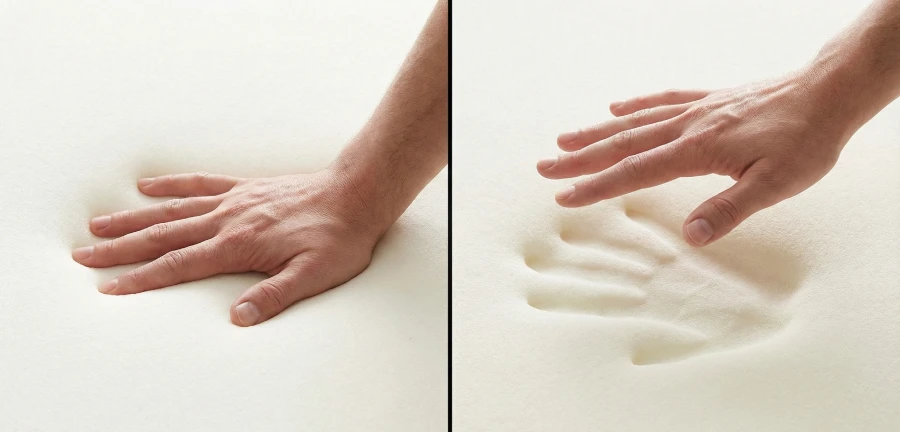
- The "Fresh Foam" Factor High-density memory foams are temperature-sensitive. When they are manufactured and stored in a cold warehouse, the cellular structure tightens up. It takes weeks of regular use and body heat to loosen these polymers so they can properly contour to your shape.
- The Compression Effect (Bed-in-a-Box) If your mattress arrived rolled in a box, it was subjected to thousands of pounds of vacuum compression. While it expands visually in 24 hours, the internal foam layers often take up to 30 days to fully "relax" and regain their intended plushness.
- Your Body Is the Problem If you slept on your old, sagging mattress for 8+ years, your body grew accustomed to bad posture (compensating for the dip). When a new, supportive mattress forces your spine into straight alignment, your muscles fight it initially. This "correction" often manifests as temporary morning soreness.
How Do I Speed Up the Break-In Process?
If you don't want to wait a month to get a good night's sleep, you can accelerate the conditioning of the materials with these three methods.
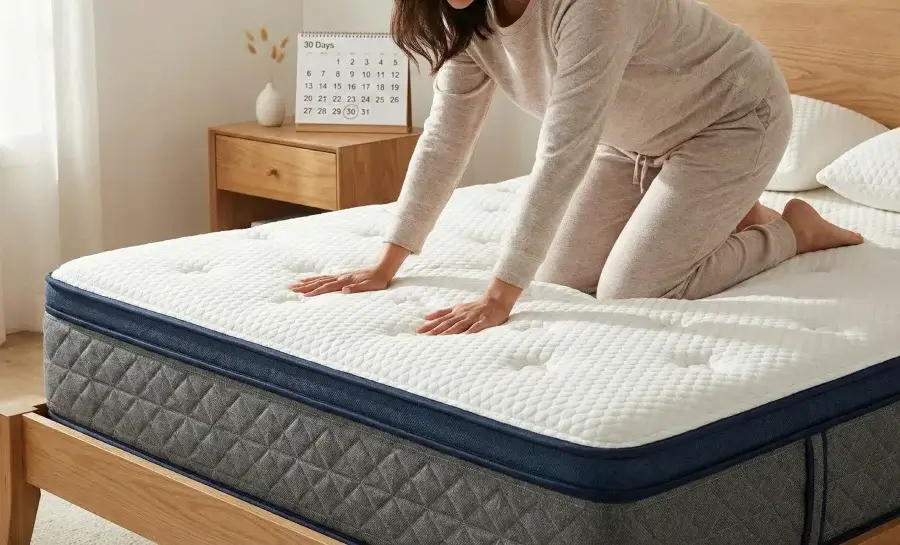
1. The "Crawl" Method
You need to mechanically break down the stiff cell walls in the foam.
- Strip the Bed: Remove all sheets and the mattress protector.
- Crawl: Carefully crawl on your hands and knees up and down the surface of the mattress.
- Repeat: Do this for 5 minutes a day for the first week. The concentrated pressure of your knees penetrates deeper than simply lying down, softening the support layers faster.
2. Turn Up the Heat
Memory foam is viscoelastic—it reacts to temperature. In a cold room (under 65°F), foam remains hard.
- The Fix: Increase your bedroom temperature to 72°F+ for the first few weeks.
- Pro Tip: If you have a specific firm spot, leave a heating pad on it (on low/medium) for 15 minutes before bed to soften the material.
3. Rotate Weekly (Initially)
While most manufacturers suggest rotating every 3-6 months, you should rotate a new mattress once a week for the first month. This ensures you are breaking in the foam evenly, rather than creating a single "trench" where you sleep.
 Our top picks for March 2026
 9.9
9.9


 Hybrid


The Adjustment Toolkit: Essential Items
While waiting for the bed to soften, you might need a few items to make the transition bearable.
- A Plush Mattress Topper: If the bed is unbearable, use a cheap synthetic topper for the first 30 days, then remove it once the mattress softens.
- Heating Pad: As mentioned, heat is the enemy of stiffness.
- Weighted Objects: When you aren't sleeping, place heavy boxes or stacks of books on the areas that feel the firmest to simulate body weight.
What Are the Mistakes to Avoid?
- Returning the Mattress Before Day 30 This is the "False Negative." Many sleepers return a perfect mattress on Day 14 because of soreness, only to buy a softer mattress that ends up sagging within a year. You must wait out the full 30-day trial window to know the true feel of the bed.
- Using a Tight Mattress Protector Immediately Thick, waterproof protectors can create a "drum effect" (surface tension) that makes the bed feel firmer. Try sleeping without the protector (or with a loose sheet) for the first few nights to see if the feel changes.
- Blaming the Mattress for a Bad Foundation As we've discussed in other articles, placing a new foam bed on an old, bowed box spring will make it feel uncomfortable regardless of the break-in period.
What If It Never Gets Comfortable?
If you have crawled on it, heated it, and slept on it for 45 days and you are still in pain, you likely have the wrong firmness level for your sleep style.
The Safety Net: This is why we always recommend buying brands that offer a 365-Night Home Trial. It takes the risk out of the equation. If the break-in period fails, you need a hassle-free return.
- If You Need More Time: Brands like Nectar offer a full year to decide. This is crucial for side sleepers who are sensitive to pressure points.
- If You Need Instant Comfort: The Saatva Classic is delivered "factory fresh" (never compressed in a box), meaning it requires almost zero break-in time compared to foam beds.
Our top picks for March 2026

FAQs: The Adjustment Period
Q: Do hybrid mattresses take less time to break in?
A: Generally, yes. Because hybrid mattresses use steel coils (which are ready to go immediately) and thinner layers of foam, they typically break in faster than all-foam beds—usually within 2-3 weeks.
Q: Why does my back hurt more in the morning?
A: This is likely "Morning Stiffness" caused by the realignment of your spine. If the pain fades an hour after waking up, it is part of the break-in adjustment. If the pain persists all day, the mattress may be too soft or too firm.
Q: Can I walk on my mattress to break it in?
A: We recommend crawling, not walking. Walking creates too much pressure per square inch (psi) and can damage the internal coil units or tear the base foam.
Liked this article?
Daniel Zvi
Smart Recommendations


Thank you!